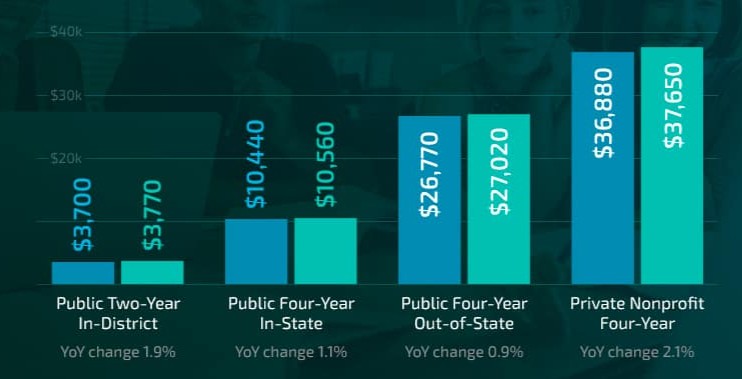
College tuition costs in 2026 remain one of the biggest financial concerns for students and families. The total cost of higher education can include tuition, admission fees, books, accommodation, transportation, technology, food, and other living expenses. While tuition is often the largest expense, students should consider the complete cost of attending college before choosing a program. Understanding tuition fees, financial aid, scholarships, grants, and money-saving strategies can make higher education more affordable. By planning early and comparing different colleges, students can make informed decisions and avoid unnecessary debt.
What Is College Tuition?
College tuition is the amount a student pays to an educational institution for academic instruction. It may be charged per semester, academic year, credit hour, or course, depending on the institution and program. Tuition usually covers access to classes, instructors, academic resources, and certain campus services. However, it does not always include textbooks, housing, meals, transportation, or technology expenses. Before enrolling, students should carefully review the college’s published fee structure to understand what is included in tuition and what must be paid separately.
Average College Costs in 2026
College costs in 2026 vary significantly depending on the country, institution, degree program, and type of college. Public universities may offer lower tuition rates than private institutions, while specialized programs such as medicine, engineering, and technology can have additional expenses. International students may also face different tuition structures and fees. Instead of focusing only on the advertised tuition price, prospective students should calculate the estimated annual cost of attendance. Comparing tuition, scholarships, accommodation, transportation, and other expenses can provide a more realistic picture of the financial commitment.
Tuition Fees vs. Total Cost of Attendance
Tuition is only one part of the total cost of attending college. Students may also need to pay registration fees, examination charges, laboratory fees, textbooks, software subscriptions, transportation, accommodation, meals, and personal expenses. The total cost of attendance provides a broader estimate of what students may spend during an academic year. Creating a complete college budget before enrollment can prevent unexpected financial pressure. When comparing colleges, students should evaluate the net cost after scholarships and financial aid rather than comparing tuition prices alone.
Public vs. Private College Tuition
Public and private colleges can have substantially different pricing structures. Public institutions may receive government funding, which can help reduce tuition for eligible students. Private colleges generally rely more heavily on tuition and private funding, although some provide significant scholarships and financial aid. A college with higher advertised tuition may sometimes become more affordable after grants and scholarships are applied. Students should therefore compare the net price, which represents the estimated amount they may actually need to pay after financial assistance.
Understanding Financial Aid in 2026
Financial aid can help students cover some or all of their eligible education expenses. Depending on the country and institution, financial assistance may include grants, scholarships, student loans, work-study programs, tuition discounts, or institutional aid. Eligibility can depend on academic performance, family income, financial need, location, field of study, or other requirements. Students should research available financial aid programs early and carefully review eligibility rules, deadlines, renewal requirements, and application procedures.
Scholarships Can Reduce College Expenses
Scholarships are one of the most useful ways to reduce college tuition costs because they generally do not need to be repaid when their conditions are met. Scholarships may be awarded for academic achievement, sports, leadership, community involvement, creative abilities, specific careers, or financial need. Some are offered directly by colleges, while others come from foundations, companies, nonprofit organizations, and professional associations. Students should search for multiple scholarship opportunities instead of relying on one large award.
Apply for Scholarships Early
Many scholarship programs have deadlines months before the academic year begins. Waiting until the last minute can cause students to miss valuable opportunities. Create a scholarship calendar containing application deadlines, eligibility requirements, required documents, essays, recommendation letters, and submission instructions. Applying to several legitimate scholarships can improve the chances of receiving financial support. Students should also keep copies of successful applications because certain essays and personal information may be adaptable for future applications.
Grants and Need-Based Financial Aid
Grants are another important source of education funding. Unlike traditional student loans, grants generally do not require repayment as long as the recipient follows the applicable conditions. They may be based on financial need, academic criteria, geographic location, or specific educational objectives. Government agencies, colleges, nonprofits, and other organizations can offer grant programs. Because requirements differ widely, students should check official sources and understand whether an award covers tuition, living costs, books, or other eligible expenses.
Student Loans: Understand the Real Cost
Student loans can help students pay college expenses when scholarships, grants, savings, and other resources are insufficient. However, borrowing creates a financial obligation that may continue after graduation. Students should understand the interest rate, repayment period, fees, deferment rules, and total repayment amount before accepting a loan. Borrowing only what is reasonably necessary can reduce future financial pressure. Comparing available loan options and reading the terms carefully is especially important before signing any agreement.
Work-Study and Part-Time Jobs
Working while studying can help students manage college expenses without relying entirely on loans. Some colleges offer work-study opportunities that allow eligible students to work part-time while completing their education. Other students may choose flexible jobs related to tutoring, retail, administration, technology, writing, or other skills. However, employment should be balanced with academic responsibilities. Working excessive hours can negatively affect study time and academic performance, potentially increasing the overall cost of completing a degree.
Choose an Affordable College
Choosing an affordable institution can make a major difference in long-term education costs. Students should compare tuition, financial aid, graduation rates, program quality, housing expenses, transportation, and career opportunities. A college with a slightly higher tuition rate may provide stronger financial aid or better career outcomes, while a lower-cost institution may offer substantial savings. The best choice depends on the student’s academic goals and financial circumstances rather than tuition price alone.
Consider Community College
Community colleges can provide an affordable pathway to higher education. Students may complete introductory or general education courses at a lower cost before transferring to a four-year university, depending on local transfer agreements. Community colleges can also offer career-focused programs in areas such as information technology, healthcare, business, and skilled trades. Before choosing this route, students should verify that their completed credits will transfer to their intended university or degree program.
Take Advantage of In-State Tuition
In countries or education systems where tuition varies by residency, qualifying for local or in-state tuition can significantly reduce education expenses. Students should understand residency requirements before enrollment because eligibility rules can differ between institutions. Moving to a new location shortly before college does not necessarily guarantee access to lower tuition rates. Checking official institutional policies is essential when estimating education costs.
Buy Used or Digital Textbooks
Textbooks and course materials can add hundreds of dollars to annual education expenses. Students can potentially reduce these costs by purchasing used books, renting textbooks, borrowing materials from libraries, or using legitimate digital editions. Some professors may also provide open educational resources at little or no cost. Before purchasing a textbook, check the syllabus and confirm the exact edition required. Avoid buying expensive materials that are not actually necessary for the course.
Save Money on Housing and Food
Housing and food can become major college expenses, particularly for students living away from home. Comparing residence halls, shared apartments, commuting options, and meal plans can reveal significant savings. Students living off campus should consider rent, utilities, transportation, groceries, and internet costs together rather than looking only at monthly rent. Preparing meals at home and sharing household expenses with responsible roommates can also reduce everyday spending.
Create a College Budget
A realistic budget can help students control expenses throughout the academic year. Start by listing predictable costs such as tuition, fees, housing, books, transportation, food, and insurance. Then estimate flexible expenses such as entertainment, clothing, subscriptions, and personal purchases. Divide annual costs into monthly or semester amounts to make them easier to manage. Tracking actual spending against the budget can reveal areas where money is being unnecessarily spent.
Avoid Unnecessary Student Expenses
Small purchases can become significant expenses over an entire semester. Students can save money by reviewing subscriptions, limiting frequent restaurant meals, avoiding impulse purchases, using student discounts, and comparing prices before buying electronics or course materials. This does not mean eliminating every enjoyable activity. Instead, the goal is to prioritize essential education expenses and make deliberate decisions about discretionary spending.
Use Student Discounts
Many businesses and digital services offer student discounts on software, transportation, entertainment, technology, clothing, and other products. Students should check whether their college identification or verified student status qualifies them for reduced prices. Although individual discounts may appear small, using several legitimate student discounts throughout the year can produce meaningful savings. Students should always review the terms of a discount before purchasing.
Consider Online and Hybrid Programs
Online and hybrid college programs may reduce certain education expenses, although savings vary by institution. Students may save on transportation, housing, commuting, and some campus-related costs when studying remotely. However, online programs can still include tuition, technology requirements, examination fees, and other charges. Students should compare the complete cost and academic quality of online and in-person programs before making a decision.
Search for Employer Education Benefits
Some employers provide education assistance to eligible workers. Depending on the employer and applicable rules, benefits may help cover tuition, professional certifications, courses, or other education expenses. Students who work part-time or full-time should check their employer’s official benefits information. Asking about education assistance before enrolling can help identify financial support that might otherwise be overlooked.
Consider Accelerated Degree Options
An accelerated degree program may allow eligible students to complete their education in less time. Finishing earlier can potentially reduce the number of semesters spent paying tuition and living expenses. However, accelerated programs may involve heavier course loads and require careful planning. Students should confirm that the program is properly accredited or recognized and that completing it faster will not negatively affect academic performance or career preparation.
Compare Net Price, Not Sticker Price
The published tuition price is sometimes called the sticker price, but it does not necessarily represent what a student will actually pay. Scholarships, grants, discounts, and other financial aid can significantly reduce the final amount. Students should calculate the estimated net price by subtracting grants and scholarships from the total cost of attendance. This provides a more useful comparison between colleges and helps families make financially informed decisions.
Watch for Hidden College Fees
Some education expenses are not obvious when students first compare tuition rates. Additional costs can include application fees, registration charges, laboratory fees, technology fees, student activity fees, examination charges, health services, and course-specific materials. Ask each college for a detailed fee schedule before enrollment. Understanding these charges early makes it easier to create an accurate education budget.
Plan for Inflation and Future Tuition Changes
College expenses can change from one academic year to another. Students planning a multi-year degree should avoid assuming that today’s tuition price will remain unchanged throughout their program. Review the institution’s policies regarding annual tuition increases and other fee adjustments. Building a financial buffer into the education budget can help families manage unexpected increases without immediately turning to additional borrowing.
Build an Emergency Education Fund
An emergency fund can protect students from unexpected financial problems. Medical expenses, laptop repairs, transportation issues, family emergencies, or sudden changes in income can disrupt a carefully planned college budget. Even a modest emergency reserve can provide additional financial flexibility. Students should keep emergency savings separate from money intended for everyday discretionary spending and use it primarily for genuine unexpected expenses.
Avoid Scholarship Scams
Students should be cautious when searching for financial aid online. Legitimate scholarships generally provide clear information about eligibility, deadlines, sponsors, and application requirements. Be especially careful with organizations that demand large upfront payments, guarantee scholarship approval, request unnecessary sensitive information, or pressure applicants to act immediately. Verify scholarship opportunities through official college, government, nonprofit, or established organizational sources whenever possible.
Financial Planning Before College
Effective college financial planning should begin before enrollment. Estimate tuition and living expenses, identify available savings, research scholarships, investigate grants, compare colleges, and determine how much borrowing might be necessary. Families can also discuss who will be responsible for different expenses. Starting early gives students more time to find funding opportunities and adjust their college choices if projected costs are too high.
Final Thoughts on College Tuition Costs in 2026
College tuition costs in 2026 can be challenging, but careful planning can make higher education more manageable. Students should look beyond tuition and consider the complete cost of attendance, including housing, books, transportation, food, and fees. Scholarships, grants, financial aid, affordable colleges, community college pathways, budgeting, and responsible borrowing can all help reduce financial pressure. The most effective strategy is to compare options early, understand the true net cost, and choose an education plan that supports both academic goals and long-term financial stability.