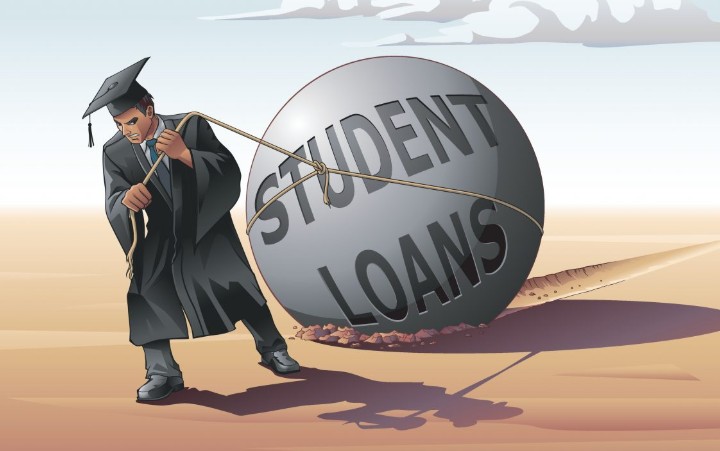
Student loans can make higher education more accessible, but borrowing without a clear repayment strategy can create long-term financial pressure. Understanding student loan interest rates, repayment options, loan terms, budgeting strategies, and debt-management techniques can help students make better financial decisions. This guide explains the fundamentals of student loans in simple language and provides practical tips for managing education debt responsibly. Although specific rules vary by country and lender, the principles of comparing loan costs, borrowing only what you need, making payments on time, and understanding your repayment choices apply broadly.
What Is a Student Loan?
A student loan is money borrowed to help pay for education-related expenses such as tuition, books, housing, transportation, and other approved costs. Unlike scholarships and grants, student loans generally must be repaid, usually with interest. Student loans may come from government programs, banks, credit unions, or private financial institutions. Before accepting a loan, students should understand the amount borrowed, interest rate, fees, repayment schedule, and consequences of missed payments. Government-backed loans may provide protections and repayment options that private loans do not, so comparing these choices is important.
How Student Loan Interest Works
Interest is the cost of borrowing money. A lender applies an interest rate to the outstanding loan balance, and that interest increases the overall cost of education debt. For example, a loan with a higher interest rate can cost substantially more over several years than the same loan with a lower rate. Interest may accrue while you are studying, depending on the loan type and its terms. Understanding when interest begins, how it is calculated, and whether unpaid interest can be added to your principal balance is essential before borrowing.
Fixed vs. Variable Interest Rates
Student loans may have fixed or variable interest rates. A fixed interest rate generally remains unchanged throughout the applicable loan period, making monthly payments easier to predict. A variable rate can change according to market conditions, potentially causing payments or total borrowing costs to increase. Federal student loans in the United States generally use fixed interest rates, while private student loans can offer either fixed or variable rates. Always read the loan agreement carefully before selecting an interest-rate structure.
Why the Interest Rate Matters
Even a small difference in interest rates can significantly affect the total cost of a student loan. When comparing two loans, don’t look only at the monthly payment. Consider the interest rate, repayment period, fees, and total amount you are expected to repay. A longer repayment period may reduce your monthly payment but increase the total interest paid. Using a reliable loan calculator can help you compare different scenarios before making a borrowing decision. Federal Student Aid’s repayment calculator allows borrowers to compare estimated monthly payments, total payments, interest, payoff dates, and other information.
Federal and Private Student Loans
One of the most important decisions is choosing between government-backed and private student loans when both are available. Federal student loans may offer advantages such as fixed interest rates, multiple repayment plans, and certain protections for borrowers experiencing financial difficulties. Private student loans are provided by banks and other financial institutions and may have different eligibility requirements, interest rates, repayment terms, and borrower protections. Some private loans require a credit history or cosigner. Compare the complete loan terms rather than choosing based solely on the advertised interest rate.
Borrow Only What You Need
A simple way to reduce future student debt is to avoid unnecessary borrowing. Before accepting a loan, create a realistic education budget that includes tuition, housing, food, transportation, books, technology, and other essential expenses. Look for scholarships, grants, work-study opportunities, part-time employment, employer assistance, and personal savings before increasing your loan balance. Borrowing less today can give you greater financial flexibility after graduation. Remember that every borrowed dollar can cost more than one dollar after interest and fees are considered.
Understand Your Loan Agreement
Never accept a student loan without reading its terms. Check the principal balance, interest rate, fees, repayment start date, repayment period, minimum payment, and available repayment options. Also determine whether interest accumulates while you are enrolled in school and what happens if you temporarily cannot make payments. Keeping a copy of your loan documents can make future financial planning much easier. For federal loans, borrowers can use their online account to review information such as loan balances, interest rates, disbursement dates, and loan types.
Standard Repayment Plans
A standard repayment plan generally uses scheduled payments over a defined period. The advantage is predictability: you know approximately how much you need to pay each month and when the loan should be paid off. A shorter repayment period can help reduce the amount of interest paid over the life of the loan, although the monthly payment may be higher. In the United States, federal borrowers have multiple repayment structures, and current eligibility depends on factors such as loan type and disbursement date.
Income-Driven Repayment Options
Income-driven repayment plans are designed to make certain federal student loan payments more manageable by considering income and family size or number of dependents. These plans can be useful when a borrower’s debt is high relative to income. However, a lower monthly payment does not necessarily mean a lower total cost because repayment may take longer. Eligibility and available plans depend on the borrower’s loan type and circumstances. Borrowers should compare monthly payments, total repayment costs, and potential forgiveness before selecting an income-based option.
Repayment Assistance Plans
Student loan repayment rules can change, so borrowers should verify current options before making decisions. In the United States, new federal repayment options including the Repayment Assistance Plan (RAP) and Tiered Standard Plan became available beginning July 1, 2026. Eligibility can depend on when loans were disbursed and the type of loan involved. Because student loan regulations can change, always check official government information or your loan servicer for the latest requirements.
What Is Loan Consolidation?
Loan consolidation combines eligible federal student loans into one new loan with a single monthly payment. Consolidation can simplify repayment and may change the available repayment options. However, it isn’t automatically beneficial for every borrower. A lower monthly payment could result from extending the repayment period, potentially increasing the total interest paid. Unpaid interest may also affect the new principal balance, and consolidation can have implications for certain forgiveness or repayment credits. Compare the long-term financial consequences before consolidating.
Student Loan Forgiveness
Some borrowers may qualify for student loan forgiveness, discharge, or cancellation under specific programs and circumstances. Eligibility can depend on the loan type, repayment plan, employment, qualifying payments, and other requirements. Public service programs may provide forgiveness opportunities for eligible borrowers, but requirements should be carefully reviewed before relying on future forgiveness. Never assume that simply working in a particular field automatically eliminates your student debt. Check the official program requirements and maintain appropriate documentation.
Create a Student Loan Repayment Budget
A repayment budget helps ensure that loan payments fit comfortably within your overall finances. Begin by calculating your monthly income after taxes and subtract essential expenses such as housing, food, transportation, utilities, insurance, and savings. Then account for your required student loan payment. If your projected payment leaves little room for emergencies or essential expenses, investigate alternative repayment options before missing payments. A realistic budget is more sustainable than committing to an aggressive payment amount that you cannot maintain.
Build an Emergency Fund
An emergency fund can protect your student loan repayment plan when unexpected expenses occur. Medical bills, car repairs, job changes, or family emergencies can quickly disrupt a monthly budget. Even a small emergency reserve can reduce the temptation to use expensive credit cards or take additional loans. Start with an achievable amount and gradually build your savings as your income improves. Balancing debt repayment with emergency savings can provide greater financial stability.
Make Payments on Time
Missing student loan payments can create unnecessary financial problems. Set up reminders or automatic payments when appropriate so you don’t accidentally overlook a due date. Some lenders may offer an interest-rate reduction for automatic payments. For example, current federal loan servicing information says an interest-rate reduction for eligible borrowers enrolled in autopay increased to 1% for certain Direct Loans beginning July 1, 2026, subject to the stated requirements and temporary benefit period. Always verify current terms with your loan servicer.
Pay More Than the Minimum When Possible
If your financial situation allows, paying more than the required minimum can help reduce your outstanding balance faster and potentially decrease total interest. Before making extra payments, check how your lender applies additional payments and whether there are any special instructions. Federal student loans generally allow borrowers to prepay without a penalty. However, don’t sacrifice essential expenses or emergency savings simply to make aggressive debt payments.
Prioritize High-Interest Debt
If you have multiple forms of debt, consider prioritizing the debt with the highest interest rate after meeting required minimum payments. High-interest credit card balances, for example, can become expensive quickly. A carefully planned debt strategy can help you determine whether additional money should go toward student loans, other debt, savings, or investments. The right approach depends on your interest rates, income, financial goals, and risk tolerance.
Avoid Lifestyle Inflation After Graduation
Getting your first full-time job can make a larger lifestyle seem affordable, but rapidly increasing expenses can make student loan repayment harder. Instead of immediately upgrading your car, apartment, or entertainment budget, consider directing part of your increased income toward savings and debt repayment. This approach can help you make faster progress toward financial independence while still allowing room for reasonable personal spending.
Reassess Your Repayment Plan Regularly
Your financial situation can change after graduation. You may receive a higher salary, change careers, start a family, lose employment, or experience unexpected expenses. Review your student loan strategy whenever your income or financial circumstances change significantly. Federal Student Aid’s Loan Simulator can help eligible borrowers compare repayment plans and estimate monthly payments, total repayment amounts, payoff dates, and potential forgiveness outcomes.
What to Do If You Cannot Afford Your Payment
If your student loan payment becomes unaffordable, don’t simply stop paying. Contact your loan servicer as soon as possible and ask about available repayment alternatives or temporary relief. Depending on the loan and circumstances, options may include changing repayment plans, deferment, or forbearance. These options have different eligibility requirements and financial consequences, so understand how interest and repayment timelines may be affected before choosing one.
Keep Your Contact Information Updated
After graduation, students often move, change jobs, or switch email addresses. Make sure your lender or loan servicer has your current contact information. Important notices about payments, repayment plans, account changes, or eligibility may be sent electronically or by mail. Ignoring communications can lead to missed deadlines and avoidable problems. Regularly checking your loan account also helps you identify unexpected changes early.
Watch Out for Student Loan Scams
Student loan borrowers can be targets for scams promising instant forgiveness, dramatically lower payments, or special government programs in exchange for upfront fees or sensitive personal information. Be cautious about unsolicited messages demanding immediate payment or requesting account credentials. Verify information through official government websites or directly through your loan servicer. Never share passwords or financial information simply because someone claims to represent a student loan program.
Keep Records of Your Payments
Maintain organized records of loan statements, payment confirmations, repayment-plan applications, correspondence, and important documents. Digital copies can be stored securely so you can access them when needed. Keeping accurate records is especially useful if you apply for forgiveness, change repayment plans, consolidate loans, or dispute an account issue. Good documentation can also make it easier to track your progress toward becoming debt-free.
Common Student Loan Mistakes to Avoid
Several mistakes can make student debt more expensive than necessary. These include borrowing more than needed, ignoring interest rates, choosing a repayment plan based only on the lowest monthly payment, missing due dates, overlooking available benefits, and failing to communicate with your lender when financial difficulties arise. Another common mistake is assuming that all student loans have identical rules. Loan terms can vary considerably, so always evaluate your specific loan documents and current program requirements.
Final Student Loan Financial Tips
The best student loan strategy begins before you borrow. Compare loan options, borrow only what you need, understand your interest rate, choose an appropriate repayment plan, make payments on time, build emergency savings, and review your strategy as your finances change. If you have federal student loans, use official government resources to check your current loan information and repayment eligibility. For complicated situations, consider speaking with your school’s financial aid office or a qualified financial professional.
Conclusion
Student loans can be an important investment in education and career development, but responsible borrowing is essential. Understanding student loan interest rates, repayment options, consolidation, forgiveness programs, budgeting, and debt-reduction strategies can help you avoid costly mistakes. Your ideal repayment strategy should balance monthly affordability with the total cost of borrowing. Most importantly, stay informed and take action early if your circumstances change. A thoughtful student loan plan can make education debt more manageable and help you move toward long-term financial stability.